

Fire safety is a crucial aspect of any workplace or public space, and having trained personnel equipped to handle fire emergencies can make all the difference in saving lives and property. In Greater Manchester, where bustling businesses and communities thrive, fire extinguisher training is not just a legal requirement but a proactive measure to ensure the safety and well-being of all occupants.
Understanding How Fires Start: The Fire Triangle
Before delving into fire extinguisher training, it’s essential to understand how fires start. The fire triangle illustrates the three elements necessary for a fire to ignite: heat, fuel, and oxygen. When these elements come together in the right proportions, combustion occurs, resulting in a fire.
Classes of Fire and Causes
Fires are classified into five main classes based on the type of fuel involved:
- Class A: Fires involving ordinary combustible materials such as wood, paper, and textiles.
- Class B: Fires fueled by flammable liquids such as gasoline, oil, and grease.
- Class C: Fires involving energised electrical equipment.
- Class D: Fires fueled by combustible metals like magnesium, sodium, and potassium.
- Class K: Fires involving cooking oils and fats, commonly found in commercial kitchens.
Understanding the causes of fires, whether it’s negligence, electrical faults, or cooking mishaps, is crucial in preventing and effectively combating them.
Types of Extinguishers: Choosing the Right Tool for the Job
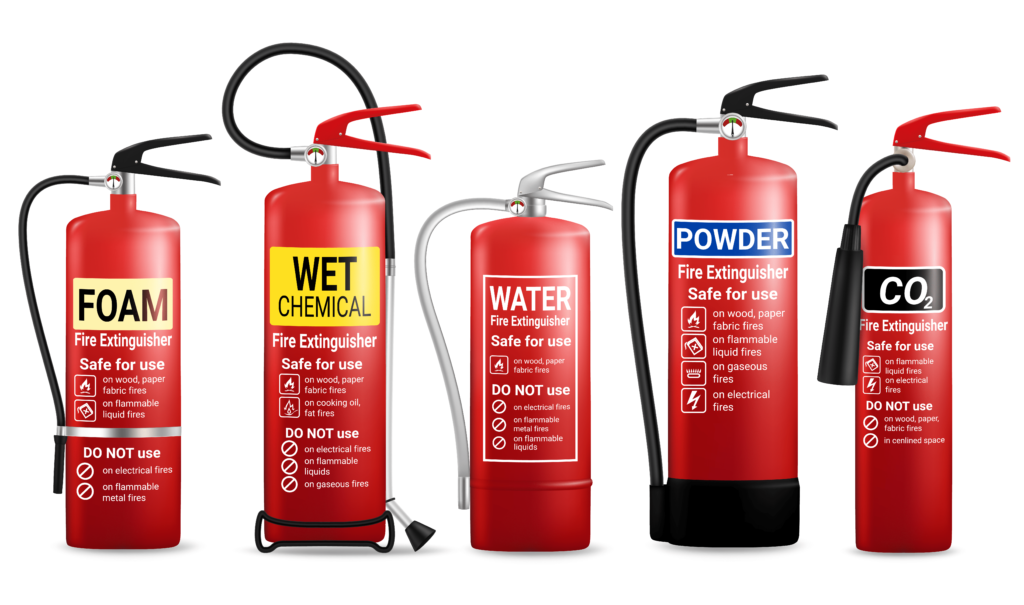
Fire extinguishers come in various types, each designed to tackle specific classes of fire. The main types of extinguishers include:
- Water Extinguishers (Class A): Suitable for extinguishing fires involving solid combustible materials like wood and paper. However, they should not be used on flammable liquid or electrical fires.
- Foam Extinguishers (Class A and B): Effective against Class A and Class B fires, foam extinguishers create a blanket that suffocates the fire and seals the surface to prevent reignition.
- CO2 Extinguishers (Class B and C): Carbon dioxide extinguishers work by displacing oxygen, making them ideal for electrical and flammable liquid fires. They leave no residue, making them suitable for use on sensitive equipment.
- Dry Powder Extinguishers (Class A, B, C, and D): Versatile and effective on a wide range of fires, dry powder extinguishers smother the flames and interrupt the chemical reaction. However, they can create a visibility barrier and are not recommended for confined spaces.
The Importance of Fire Extinguisher Training
While having the right type of extinguisher is essential, proper training in their use is equally critical. Fire extinguisher training teaches individuals how to assess a fire situation, determine the appropriate extinguisher to use, and operate it safely and effectively. Training also emphasises the importance of evacuation procedures and how to respond calmly and efficiently during a fire emergency.
Conclusion
Fire extinguisher training is a vital investment in safety for businesses and communities in Greater Manchester. By understanding the fire triangle, classes of fire, and types of extinguishers, individuals can be better prepared to prevent and respond to fire emergencies. At the Parr Group, we offer comprehensive fire extinguisher training courses tailored to the specific needs of your organisation. Contact us today to learn more about how we can help enhance your fire safety preparedness.


